
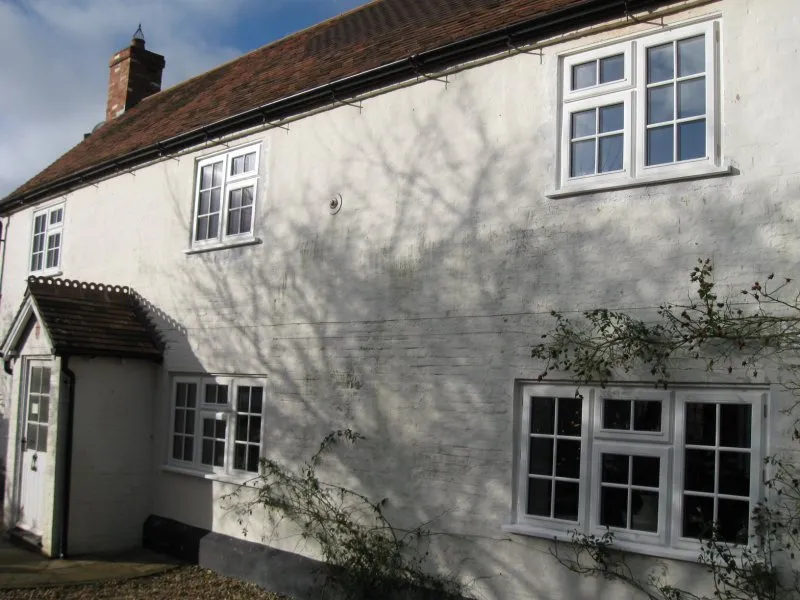
Timber Windows
We supply and install traditional timber windows as well as composite, aluminium and upvc in North Devon.
Our windows have the benefit of modern security features, energy efficient glazing and durable spray applied paint finishes
Our wooden window range includes modern high performance stormsash frames, traditional flush casement as well as traditional mullioned windows.
We also offer timber sliding sash windows and timber ‘mock’ sash designs.
We use a range of solid and engineered timber from sustainable sources including oak, utile, red grandis and accoya.
Our joinery is supplied with a 3 coat spray finish or microporous paint that provides many years of protection.
We manufacture beautiful Georgian style wooden window frames with small glazing bars to replicate original styles. The use of 24mm applied glazing bars allows us to combine the traditional looks of our wooden windows with the benefits of modern performance double glazing.
The full range of farrow and ball colours are available as are alternative colour matches. Our oak joinery is either oiled or spray finished as required.
High Security Windows and Pilkington Glass
Our timber Windows feature high security, concealed multi point locking with night vent facility. We offer a range of both traditional and contemporary ironmongery to suit your window style.
We use Pilkington 24mm low e glass with warm edge spacer bars to achieve excellent thermal performance.
Fensa Registered Window Installation
We also provide a fensa registered installation and all installations carry a 10 year guarantee. We fit windows in Devon, Somerset, Dorset, Berkshire, and southern counties.
We have experience in replacing timber windows on listed buildings and matching and reproducing existing styles where required

Timber windows for Devon homes
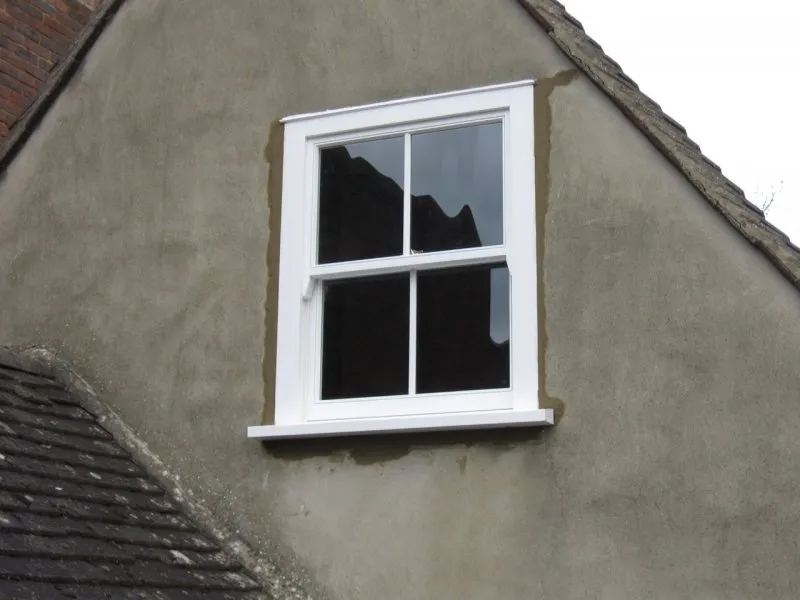
Casement windows
Flush casements and high performance stormsash frames, painted any Farrow and Ball colour or an alternative match.
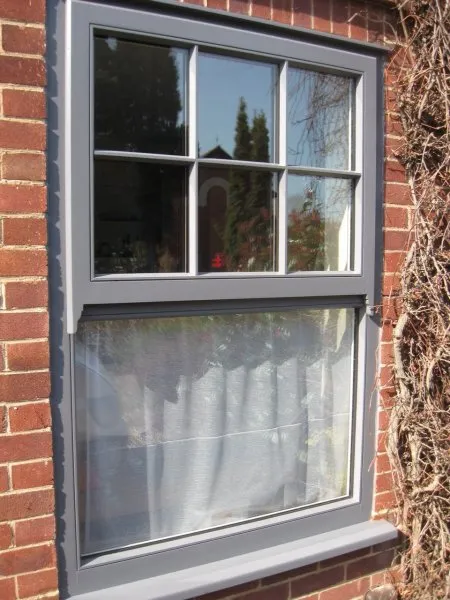
Sash windows
Sliding sash and mock sash designs that keep period character with modern double glazing and security.
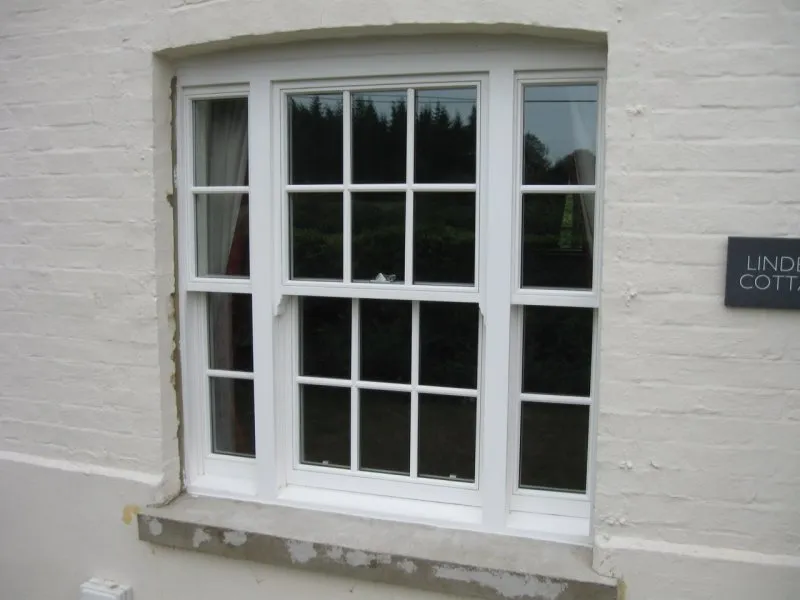
Bay and feature windows
Bay windows, arched frames and leaded lights, made to match originals on listed and period homes.
Examples of our timber windows
Genuine examples, all our own work.
From survey to fitted window
01
Site visit
We visit, talk through what you want and look at access, levels and services.
02
Design
Initial concept drawings are free of charge, developed into working drawings for your approval.
03
Planning
Where consent is needed, we submit the application on your behalf and provide structural calculations.
04
The build
Frame, roof, cladding and glazing, carried out by our own team.
05
Handover
Finished carefully, connected where needed and ready to use.
Timber windows across Devon and beyond
We design and build from our workshop in Mortehoe and carry out work across North Devon and the surrounding area, including:
- Woolacombe
- Ilfracombe
- Croyde
- Braunton
- Barnstaple
- Bideford
- Combe Martin
- Lynton and Lynmouth
- South Molton
- Great Torrington
- Exmoor
Timber window questions
Are your window installations guaranteed?
Yes. We provide a FENSA registered installation and all installations carry a 10 year guarantee.
Can you match windows on a listed building?
Yes, we have experience replacing timber windows on listed buildings and matching and reproducing existing styles where required.
What glass do you use?
Pilkington 24mm low e glass with warm edge spacer bars for excellent thermal performance, with concealed multi point locking and a night vent facility.
How are the frames finished?
A 3 coat spray finish or microporous paint that provides many years of protection. Oak joinery is either oiled or spray finished as required.